The Imagine Podcast · Episode 06
The 3 Stages of Change: The Art of Transformation
There's a moment in every life when something inside whispers: this needs to change. This episode maps what happens next — through three stages that every real transformation moves through.
Listen now
Transformation doesn't come from doing more. It comes from daring to go deeper. Over years of sharing Kundalini Yoga practice, Pedro has seen the same pattern emerge again and again — and today he names it.
Stage One is Recognition: the moment you realize something isn't working. Awareness alone, as powerful as it is, needs direction. Without it, the fire fades before it takes hold.
Stage Two is The First Steps: the gentle experiments that begin to shift your energy. Neuroscience calls this neuroplasticity — each conscious breath literally carves new pathways. But without a structure to hold them, the small flame can easily fade.
3 Key Takeaways From This Episode
- 01 Recognition is the first spark — but it needs direction. Awareness alone won't create change. It needs to move from the head into the body, into action. Kundalini Yoga helps that transition happen — not by thinking harder, but by feeling more clearly.
- 02 First steps rewire the brain. Neuroplasticity means every conscious breath, every small act of practice, is literally carving new neural pathways. The key is sustaining it long enough to shift the default pattern.
- 03 Immersion is not about doing more — it's surrendering to a rhythm. When you commit fully, the practice does the work. You stop performing and begin becoming. And you don't need to walk through every stage slowly to get there.
More from Imagine
Follow along on Instagram for weekly reflections on Kundalini Yoga practice and philosophy.
@imagineyogaacademy.engSubscribe & Review
If this episode resonated with you, taking a moment to subscribe and leave a review makes a real difference. It helps more people find the show.
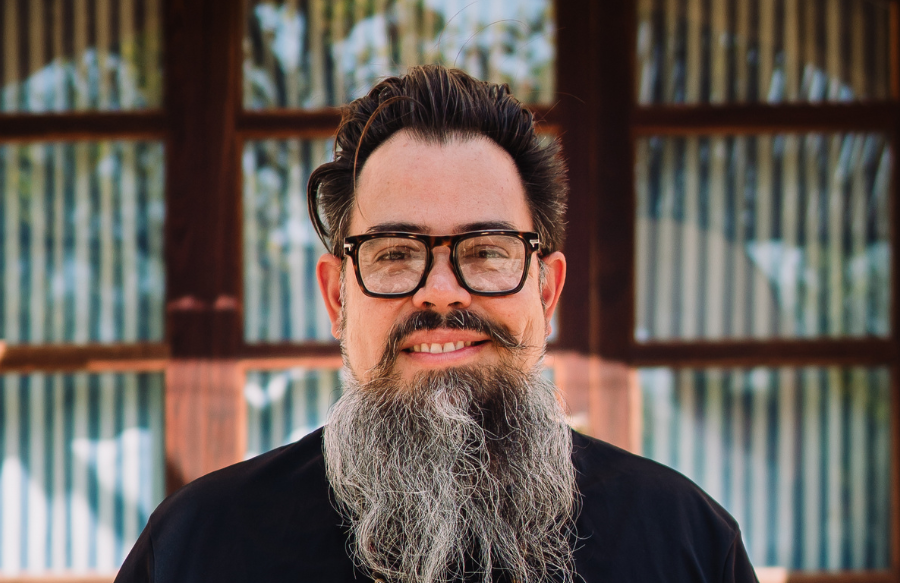
Hi there, I'm Pedro Misle.
I'm the co-founder of Imagine Yoga Academy and a Kundalini Yoga teacher trainer. For the past 14 years, I've helped people reconnect with themselves through practice, philosophy, and honest conversation.
Since 2012, Daniela Troconis and I have trained more than 900 teachers across Switzerland, Spain, India, and online.
The Imagine Podcast opens the kind of conversations we usually have inside our Kundalini Yoga Teacher Trainings — grounded, practical, and real. Just real practice for real life.
More about meQuestions
Frequently Asked Questions
Episode Transcript
Full transcript · Ep. 06 · The 3 Stages of Change: The Art of Transformation
Read transcript
Episode Transcript
Full transcript · Ep. 06 · The 3 Stages of Change: The Art of Transformation
Stage One — Recognition
It often begins quietly. One morning you wake up and something feels off. You can't quite name it, but you know something inside you wants to shift. Maybe you've been living on autopilot, feeling disconnected, or simply tired of repeating the same patterns.
In psychology, this is known as the recognition stage — the moment you realize something isn't working as it used to. You might tell yourself: "I should meditate more." "I need to slow down." "I want to reconnect with myself." And yet, the change doesn't quite happen. Because awareness, as powerful as it is, needs direction.
This is where Kundalini Yoga can be such a powerful ally. Its practices were designed to awaken awareness — not just in the mind, but in the body and energy. A simple breath. A mantra. A few minutes of movement. And suddenly, you begin to feel your own presence again. Recognition is beautiful. It's the first spark of light. But if we stay there too long, the fire fades.
Stage Two — The First Steps
When we start to act, we usually do it softly — testing the waters. We sign up for a short class. We meditate for a week. We start journaling before bed. These small actions are how change begins to take shape in the brain. Neuroscience calls this neuroplasticity — the way our thoughts and habits literally carve new pathways inside us.
Each time you breathe consciously, you are already rewiring something. In Kundalini Yoga we say: Energy flows where attention goes. But here's what I've seen over and over: the first steps can open a door, yet they rarely sustain transformation on their own. Without a structure that holds us, the small flame we've lit can easily fade.
Stage Three — Immersion
This is where everything begins to shift. Immersion is not about doing more — it's about surrendering to a rhythm that supports you. It's when you decide to give yourself time, space, and guidance. And something changes in that commitment. The mind softens. The breath deepens. You stop performing and begin becoming.
In Kundalini Yoga, immersion isn't just about learning postures or mantras — it's about remembering who you are beneath all the layers. I've seen people arrive tired, confused, or unsure, and slowly open into strength, clarity, and peace.
And the beautiful thing is, you don't need to go through every stage to reach this point. If you already recognize that something in you is asking for change, you can choose to step straight into immersion. Transformation doesn't need to be a long process. Sometimes, it just needs one clear "yes."
Closing
Take a deep breath. And ask yourself: Am I still in recognition — feeling the call but not yet moving? Am I experimenting with small steps, waiting for the right moment? Or am I ready to immerse — to let the practice, the guidance, and the rhythm hold me while I grow?
There's no right place to be. But there is a truth: the sooner we give ourselves fully to the process, the sooner life begins to transform us.
Imagine Yoga Academy
Something deeper is possible, from exactly where you are.
Nine months. Fifteen people. One way through. The Level I · 200h Kundalini Yoga Teacher Training in Zürich, Geneva, and Lugano begins October 2026.