The Imagine Podcast · Episode 33
Brahmacharya: The Art of Directing Your Energy
Most people hear Brahmacharya and think celibacy. The teaching is pointing at something far more relevant: where your energy is going, and whether you're actually choosing it.
Listen now
Brahmacharya, the fourth of the yamas, is usually reduced to celibacy. Pedro reframes it as the conscious direction of energy — attention, speech, emotional intensity — and the difference between real discipline and the suppression people mistake for it.
Continuing the series on the yamas, Pedro takes on the one that gets the most resistance and the least explanation. In its original context brahmacharya referred to moderating sexual energy, but the teaching has always pointed at something broader: prana, life force, in all its forms. The premise is simple — most of us spend energy in ways we never consciously chose. The scroll, the conversation that ran too long, the opinions offered when no one asked.
He draws the line between suppression and discipline. Suppression says “I won't let myself feel this”; brahmacharya says “I notice this, and I'm choosing what to do with it.” One is control, the other is freedom, and from the outside they can look identical. Lived this way, the practice needs no vows — just observation: protecting silence, noticing speech, being in the room you're actually in. It's the kind of distinction students work with directly in the Kundalini Yoga Teacher Training in Lugano.
The purpose underneath is practical. When energy scatters outward through constant stimulation, the mind stays restless and meditation gets harder. When it gathers, attention steadies and the nervous system begins to regulate. Pedro's invitation is small: for one day, notice your exits. You don't have to change anything — awareness usually does most of the work on its own.
3 Key Takeaways From This Episode
- 01 Brahmacharya is about energy, not celibacy.The fourth yama points to how you spend attention, speech, and life force — and whether you're choosing it consciously.
- 02 Discipline is not suppression.Suppression refuses the impulse. Brahmacharya notices it fully, then chooses. One is control; the other is freedom.
- 03 Notice your exits.Energy leaks through small habits — the reflexive scroll, the silence you rush to fill. Awareness alone starts to close them.
More from Imagine
Follow along on Instagram for weekly reflections on Kundalini Yoga practice and philosophy.
@imagineyogaacademy.engSubscribe & Review
If this episode resonated with you, taking a moment to subscribe and leave a review makes a real difference. It helps more people find the show.
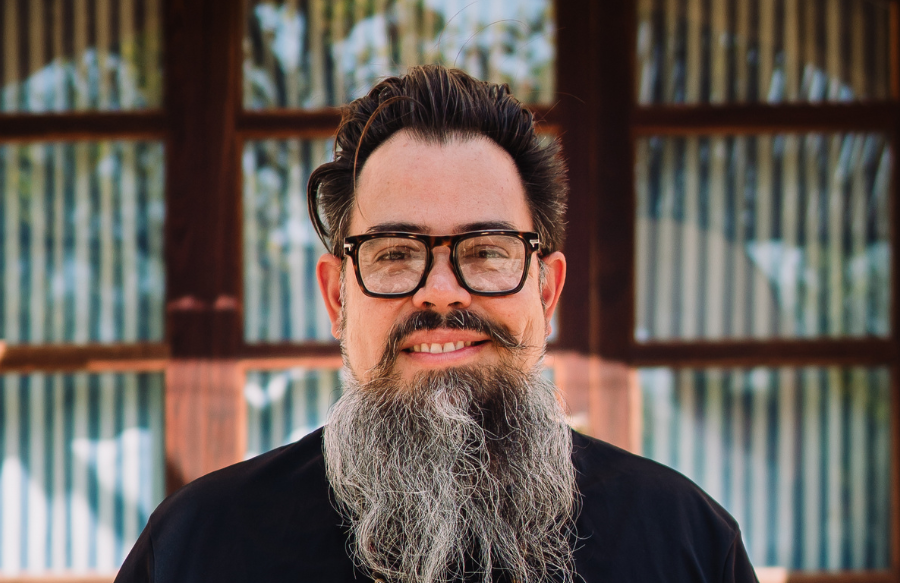
Hi there, I'm Pedro Misle.
I'm the co-founder of Imagine Yoga Academy and a Kundalini Yoga teacher trainer. For the past 14 years, I've helped people reconnect with themselves through practice, philosophy, and honest conversation.
Since 2012, Daniela Troconis and I have trained more than 900 teachers across Switzerland, Spain, India, and online.
The Imagine Podcast opens the kind of conversations we usually have inside our Kundalini Yoga Teacher Trainings — grounded, practical, and real. Just real practice for real life.
More about meQuestions
Frequently Asked Questions
Episode Transcript
Full transcript · Ep. 33 · Brahmacharya: The Art of Directing Your Energy
Read transcript
Episode Transcript
Full transcript · Ep. 33 · Brahmacharya: The Art of Directing Your Energy
The Word That Makes People Uncomfortable
Most people encounter the word Brahmacharya and feel an immediate resistance. Before they've even looked it up, something about it suggests restriction — ancient rules, monasteries, a teaching designed for monks rather than people living actual lives. That reaction is worth paying attention to, because it usually means we're carrying an assumption rather than understanding what the word is actually pointing at.
Brahmacharya is the fourth of the Yamas, the personal disciplines that form the ethical foundation of yoga philosophy. The Yamas aren't commandments — they're closer to observations, a framework for how we relate to ourselves and the world. In its original context, Brahmacharya referred specifically to the moderation of sexual energy, which is where the celibacy association comes from. But the teaching has always been pointing at something broader than sexuality.
Energy as a Resource
Yoga understands attention, emotional intensity, speech, sexual energy, and sensory stimulation as forms of life force — what Sanskrit calls prana. And the premise of Brahmacharya is simple: most of us are spending this energy in ways we haven't consciously chosen. The scroll. The conversation that went forty minutes longer than it needed to. The opinions we shared when no one asked. The way we fill every quiet moment with input before silence has a chance to arrive.
None of these feel significant individually. That's the point. Energy doesn't usually disappear dramatically. It disperses, slowly, through a thousand small exits that have become so habitual we've stopped seeing them. The question Brahmacharya invites is not “am I having too much pleasure?” It's “where is my energy actually going, and am I choosing this?”
Discipline Is Not Suppression
This is where the teaching gets subtle, and where a lot of people misapply it. There's a version of Brahmacharya that becomes self-punishing — I should want less, feel less, be more austere. That version creates rigidity and shame, and it has nothing to do with yoga. Real Brahmacharya is not the absence of desire. It's the capacity to notice an impulse, to feel it fully, and then choose consciously what to do with it.
Suppression looks like: I won't let myself feel this. Brahmacharya looks like: I notice this, and I'm choosing what to do with it. One is control. The other is freedom. And they can look identical from the outside while being completely different on the inside.
What It Looks Like in Modern Life
In practice, Brahmacharya doesn't require vows or dramatic lifestyle changes. It begins with observation. For many people it shows up as protecting silence — not scheduling more of it, but stopping the automatic filling of every quiet moment with stimulation. The walk without a podcast. The meal without a screen. The ten minutes before sleep that don't go to the phone.
It can show up in speech — noticing the difference between words that create something and words that simply burn energy. And it can show up in attention — being in the room you're actually in, rather than managing three conversations at once while present in none of them. None of this is a moral prescription. It's an invitation to observe.
The Deeper Purpose
When energy is constantly scattered outward through overstimulation and unconscious habit, meditation becomes difficult. The mind stays restless and silence feels uncomfortable. When energy is gathered, something shifts: attention steadies, intuition sharpens, the nervous system begins to regulate. This isn't mystical. Anyone who has spent a period of genuine simplicity — sleeping well, eating cleanly, not overstimulating — knows how different the mind feels. More available. More clear.
A Practice for the Week
Try this for one day. Notice your exits. Every time you reach for the phone out of reflex, notice. Every time you fill silence before it arrives, notice. You don't have to change anything. Just see where the energy goes. Awareness, once it's genuinely present, usually does most of the work on its own. Brahmacharya isn't about wanting less. It's about choosing more consciously. Sat Nam.
Imagine Yoga Academy
Something deeper is possible, from exactly where you are.
Nine months. Fifteen people. One way through. The Level I · 200h Kundalini Yoga Teacher Training in Zürich, Geneva, and Lugano begins October 2026.