The Imagine Podcast · Episode 37
Tapas — The Third Niyama: Fire, Discipline, and the Will to Live
Somewhere underneath the discipline, the plans, and the to-do lists, there is a fire that simply wants to be here. This episode is about finding it again.
Listen now
Before Pedro and Daniela got married, she went to see a bruja, a Venezuelan fortune teller, and asked the important question: him. What the woman said about a soul wanting to sip every drop of life became the seed for this episode on Tapas, the third Niyama in Patanjali's system.
Tapas is usually translated as discipline, and Pedro doesn't dispute that, but he pushes past it. The word's Sanskrit root means heat, fire, intensity — not punishment, not self-denial. It's the willingness to actually want the day that has arrived, the curiosity that keeps a person engaged with what's still possible. Pedro places it at the center of the Eight Limbs: without it, Ahimsa becomes effort without a pulse, and Santosha has nothing to be content about.
The episode reframes the usual warning signs of a life gone quiet. Not anxiety, not even sadness — those still carry energy. The real red flag is indifference: looking at the day ahead and feeling nothing. Pedro connects this directly to sadhana, the daily Kundalini Yoga practice taught in the Kundalini Yoga Teacher Training in Geneva, where showing up each morning becomes, in itself, an act of Tapas.
He leaves listeners with three concrete, unglamorous invitations: keep a daily practice, do one thing this week purely because it makes you feel alive, and name what you keep postponing. None of it asks for a grand gesture — just an honest one.
3 Key Takeaways From This Episode
- 01 Tapas means fire, not punishment. The Sanskrit root points to heat and intensity — an inner aliveness, not a disciplinary regime.
- 02 Indifference is the real red flag. Not anxiety or sadness, which still carry energy, but the quiet feeling of nothing when you look at the day ahead.
- 03 Tend the fire with small, honest acts. A daily sadhana, one thing this week that makes you feel alive, and naming what you keep postponing.
More from Imagine
Follow along on Instagram for weekly reflections on Kundalini Yoga practice and philosophy.
@imagineyogaacademy.engSubscribe & Review
If this episode resonated with you, taking a moment to subscribe and leave a review makes a real difference. It helps more people find the show.
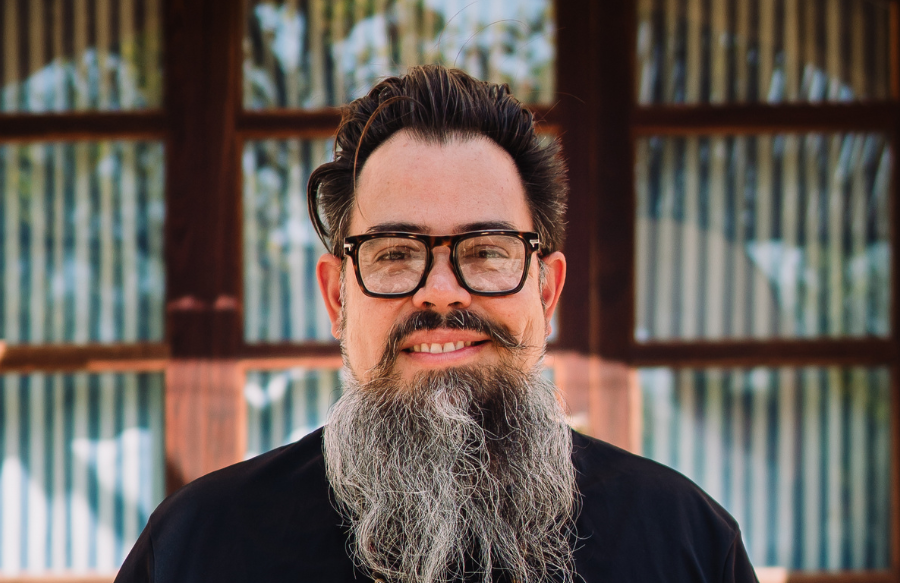
Hi there, I'm Pedro Misle.
I'm the co-founder of Imagine Yoga Academy and a Kundalini Yoga teacher trainer. For the past 14 years, I've helped people reconnect with themselves through practice, philosophy, and honest conversation.
Since 2012, Daniela Troconis and I have trained more than 900 teachers across Switzerland, Spain, India, and online.
The Imagine Podcast opens the kind of conversations we usually have inside our Kundalini Yoga Teacher Trainings — grounded, practical, and real. Just real practice for real life.
More about meQuestions
Frequently Asked Questions
Episode Transcript
Full transcript · Ep. 37 · Tapas — The Third Niyama: Fire, Discipline, and the Will to Live
Read transcript
Episode Transcript
Full transcript · Ep. 37 · Tapas — The Third Niyama: Fire, Discipline, and the Will to Live
The Bruja's Reading
Before Daniela and I got married, she went to see a bruja. [pause] I know. I know. But listen, we're Venezuelan. This is normal. This is what you do. You go see a bruja and you ask the important questions. And the important question, apparently, was me. [pause] So Daniela sits down with this woman, tells her she's about to get married, and the bruja looks at whatever brujas look at and says: \"You are marrying a very young soul. A soul that is very excited to be here, in this incarnation, and wants to sip every drop of life he can.\" [pause] Now. I honestly don't know where I stand on fortune tellers. That's the truth. But this one got something right. Because that's exactly what I am. I love being alive. Not every day with the same intensity, not without difficulty, not without the days that feel heavy and slow. But underneath all of that, there is a hum. A constant hum that says: this is good. Being here is good. I want more of this. [pause] That hum has a name in yoga philosophy. It's called Tapas.
Welcome to The Imagine Podcast. I'm Pedro, and today we're talking about the third Niyama. And yes, before we go any further, I am obligated by fifteen years of habit to acknowledge: Tapas is not about tortilla. It had to be said. It was said. We move on.
Where Tapas Sits in the Path
We've been walking through the Eight Limbs of Yoga together in this series, and I want to take a moment before we go deeper into Tapas to notice something. This path doesn't begin with postures. It doesn't begin with breathing techniques or meditation. It begins with a fundamental revision of how we see ourselves and how we engage with the world around us. [pause] Patanjali gave us the Yamas first, personal commitments rooted in the belief that how we treat the world is inseparable from how we treat ourselves. Then the Niyamas, internal attitudes cultivated not through force, but through sustained, honest attention. [pause] We've covered Saucha, the clarity that comes from honoring what we allow into our bodies, our minds, our spaces. Then Santosha, contentment — not passive resignation, but the presence that lets you actually inhabit where you are. And now we arrive at Tapas.
Fire, Not Punishment
Tapas is commonly translated as discipline. And it is that, partially. But if we leave it there, we miss the most alive part of what the teachers were pointing at. The word comes from a Sanskrit root that means heat. Fire. Intensity. Not aggression, not self-punishment. Fire. [pause] What I've come to understand is this: Tapas is the willingness we have to live the day that has just arrived. The excitement about what is to come. The curiosity. It is, in many ways, the lighthouse — perhaps the epicenter from which our entire lives emanate. [pause] How can we practice Ahimsa when we are dragging ourselves through our own lives? How can we work on Santosha when nothing seems to content us? Tapas is at the center. Without it, everything else becomes effort without a pulse.
The Real Warning Sign
That image the bruja gave — a young soul wanting to sip every drop — is precisely what Tapas is asking us to look at. Not the part of us that manages, plans, optimizes, performs, gets through the week. The part that is still, underneath all of that, alive. Rebellious. Spontaneous. Always, quietly, wanting more. [pause] Not more of what is irrelevant. More of what is real. And its absence is perhaps the greatest red flag we have. Not anxiety. Not burnout. Not even sadness — those things at least have energy in them. The real warning sign is when nothing excites us. When we look at the day ahead and feel nothing. When we're alive, technically, but the hum has gone quiet. [pause] So before any recommendation, I want to ask you something directly. Are you excited to be alive? Not happy about what's happening right now. Not proud, not grateful in the way people perform gratitude. Are you engaged with the journey? Are you curious about how deep the rabbit hole goes? [pause] Doesn't that excite you? It should. And if it doesn't, that's not a character flaw. That's information. That's your Tapas telling you it needs attention.
Three Ways to Tend the Fire
Not rules. Not a program. Three honest directions. [pause] The first is your sadhana, your daily practice. In Kundalini Yoga, sadhana is not about achievement. It's about the act of choosing, every morning, to show up for yourself before the world gets to you. If you don't have a practice yet, this is the invitation. Even ten minutes. Not to become more flexible or more spiritual. To remember, every single day, that you are alive and that this is worth something. [pause] The second: do one thing this week purely because it makes you feel alive. Not because it's productive or useful or impressive. A walk with no destination. A conversation that goes somewhere real. Tapas doesn't need a grand gesture. It needs a small, honest one. [pause] The third, and perhaps the most confronting: ask yourself what you keep postponing. Not tasks. Not errands. The experiences, the conversations, the ways of living that you keep moving to someday. Tapas asks: what are you waiting for? The day available to you is this one.
Closing
I love being alive. I said it at the beginning and I'll say it again, because it deserves to be said twice. It's not a performance and it's not always easy. But it is the hum underneath everything I do. Every class I teach, every episode I record, every morning I step onto my mat. [pause] That hum, I believe, is what Patanjali was asking us to protect. That is the homework the teachers left us with Tapas. Not to be more disciplined in the punishing sense of the word. But to stay curious about your own life. To refuse, consistently, to let the days pass without really being in them. [pause] If something in this episode landed for you, share it with someone you think might need it. And if you're not subscribed yet, please do. With love, from here. Sat Nam.
Imagine Yoga Academy
Something deeper is possible, from exactly where you are.
Nine months. Fifteen people. One way through. The Level I · 200h Kundalini Yoga Teacher Training in Zürich, Geneva, and Lugano begins October 2026.